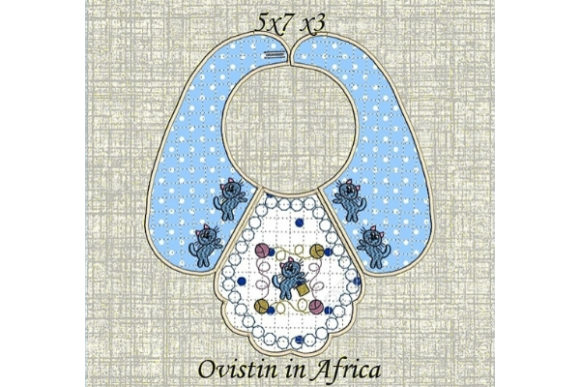
Blue Baby Bib for Small Hoops
A Craft Fair Designer’s First Look: Soft, Sweet, and Surprisingly Strategic
As someone who’s stitched 200+ craft fair booths—from snowy Vermont markets to sun-drenched California pop-ups—I’ll say it plainly: Blue Baby Bib for Small Hoops lands with quiet confidence. It doesn’t shout. It doesn’t glitter or cartoonify. Instead, it reads as soft, gentle, and intentionally minimal—think modern nursery meets heirloom handmade. That’s gold at a craft fair. Parents don’t scan for “cute.” They pause for *calm*, *care*, and *clarity*. This design delivers all three.
Where It Shines (and Where It Doesn’t)
On a crowded table stacked with embroidered tote bags, tea towel sets, and patch-covered aprons, the Blue Baby Bib for Small Hoops stands out by being *purposefully small*. Not tiny—just scaled right. It works beautifully as:
- Embroidered patch: Sewn onto organic cotton bibs or muslin swaddle wraps—ideal for Etsy sellers bundling “newborn starter kits”;
- Tote bag design: Centered on the front of a 12”x14” canvas market bag—soft blue thread against natural linen reads premium, not juvenile;
- Tea towel embroidery: Placed low on the hem of a flour-sack towel—subtle, functional, and photo-ready for Instagram;
- Pillow cover accent: Stitched on the corner of a 16”x16” linen pillow—adds nursery cohesion without overwhelming;
- Booth sample: Mounted on a mini wooden hoop beside a finished bib—immediately communicates scale, craftsmanship, and use case.
It falters on curved surfaces (like caps) and thick terry cloth—those dense stitch areas mentioned in the description won’t flatten cleanly. And while it’s lovely on light fabrics, avoid dark denim or charcoal twill: thread contrast vanishes, and the delicate balance of “small but legible” collapses.
Production Reality Check: What You’ll Actually Need to Know
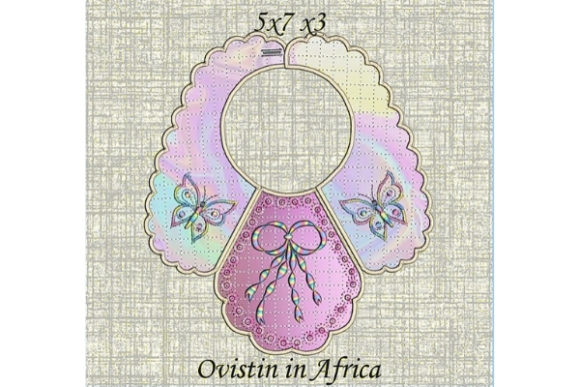
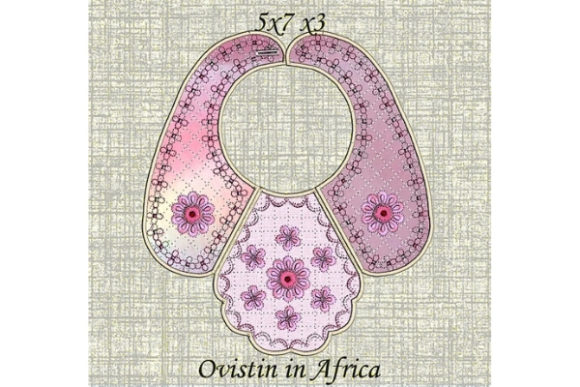
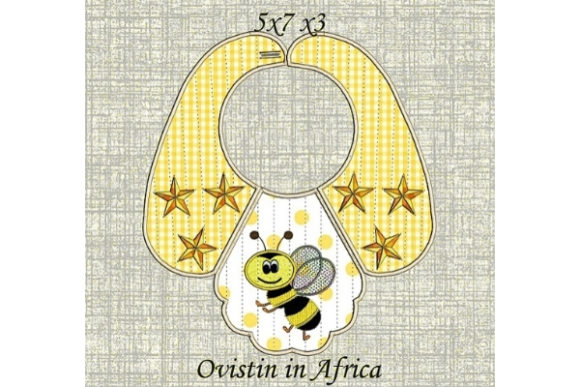
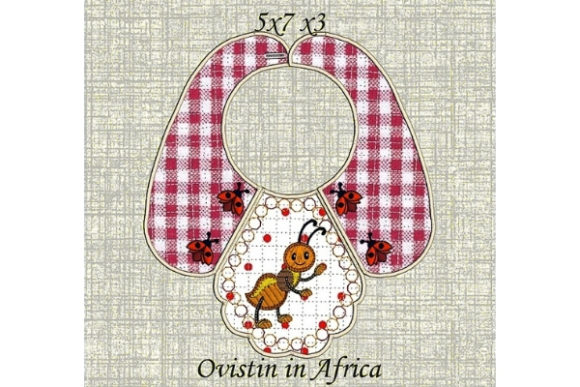
This isn’t a “load-and-go” embroidery file. The note that it’s “done in 3 parts and sewn together” tells me two things: first, it’s designed for real-world constraints—not just ideal machines; second, it demands hands-on assembly. That’s both a strength and a speed bump.
For batch production, plan for:
- Stabilizer discipline: Lightweight cutaway is non-negotiable—especially if stitching on woven cotton or bamboo blends. Tear-away will shift under those fine connecting stitches.
- Hoop size verification: Confirm your machine’s smallest hoop matches the digitizer’s intent. Don’t assume “small hoop” means 4x4”—check before cutting fabric.
- Thread color testing: That “blue” isn’t one shade—it’s likely a blend of sky, slate, and heather tones. Swatch on your exact fabric, not white scrap.
- Spacing review: With three separate pieces, seam allowances matter. Measure seam guides in your tutorial—don’t eyeball them mid-fair prep.
And yes—always test on scrap fabric first. Not just once. Twice. Once with your stabilizer stack, once with your final thread combo. A single skipped step here turns a charming bib into a puckered, uneven keepsake.
Visual Impact & Booth Psychology
At a craft fair, attention spans are measured in seconds. The Blue Baby Bib for Small Hoops wins because it’s instantly legible as *baby*, *handmade*, and *thoughtful*—no decoding needed. Its soft blue palette reads gender-neutral, seasonless, and boutique-worthy. Unlike busy floral motifs or script-heavy names, it photographs cleanly for Etsy listings and printable mockups. No filters required. No retouching. Just natural light and honest texture.
That visual clarity boosts perceived value. Customers equate clean lines and balanced negative space with higher craftsmanship—even when the stitch count is modest. Pair it with a hand-stitched tag and unbleached cotton packaging, and you’ve got a $32 handmade product that feels like $48.
Careful-Use Notes Every Embroidery Designer Should Flag
This design asks for intention—not perfection. Here’s where to slow down:
- Dense stitch areas: Likely around the bib’s neckline or strap attachment points. Reduce speed there. Let your machine breathe.
- Tiny details: If the design includes subtle scallops, leaf veins, or miniature stitching lines—test at 100% scale before shrinking for patches.
- Fabric texture mismatch: Avoid highly textured towels or slubby linen. The design’s delicacy gets lost in the grain.
- Small hoop limitations: Don’t force it into a 3x3” hoop unless confirmed. Some “small hoop” files still need 4x4” real estate for stability.
- Commercial licensing: Since this is positioned as a machine embroidery design for resale, verify licensing terms before selling finished bibs. Many digital embroidery files restrict commercial use unless upgraded.
Final Thought: Why This Belongs in Your Next Craft Fair Lineup
The Blue Baby Bib for Small Hoops isn’t flashy—but it’s fiercely functional. It fits neatly into the Nursery category without leaning into cliché. It supports multiple product types—patches, totes, towels, pillows—without needing redesign. And most importantly, it invites conversation: parents ask about sizing, grandparents admire the stitching, fellow makers lean in to check the thread sheen.
For Etsy sellers and small shop owners, it’s a low-risk, high-resonance addition. For embroidery business owners building repeatable collections, it’s a scalable anchor—soft enough for spring, grounded enough for fall, timeless enough for year-round listings. Just remember: its power lies in restraint. Respect the scale. Honor the stitch density. And always—always—make at least one real mockup before the fair opens.
Your booth isn’t just selling products. It’s selling trust. And Blue Baby Bib for Small Hoops, done right, whispers that perfectly.