Christmas Coaster: A Thoughtful Embroidery Design for Personalized Gifts
First Impressions: Charm, Clarity, and Quiet Holiday Warmth
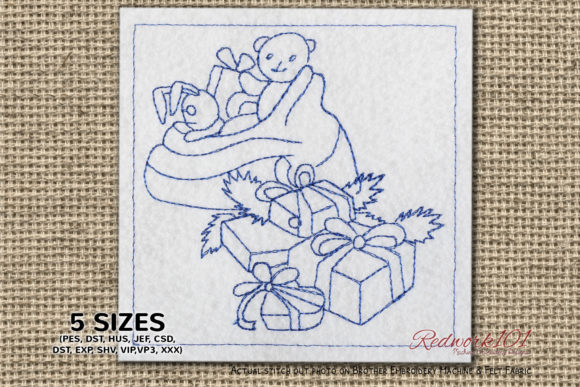
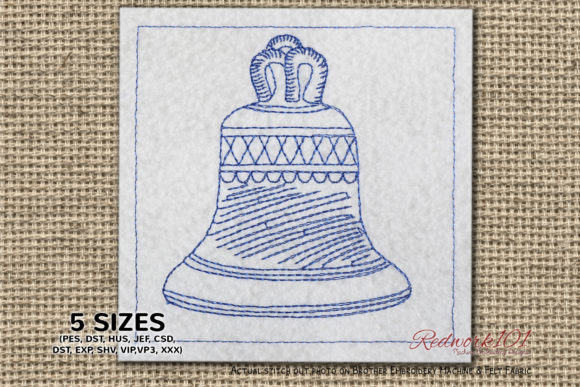
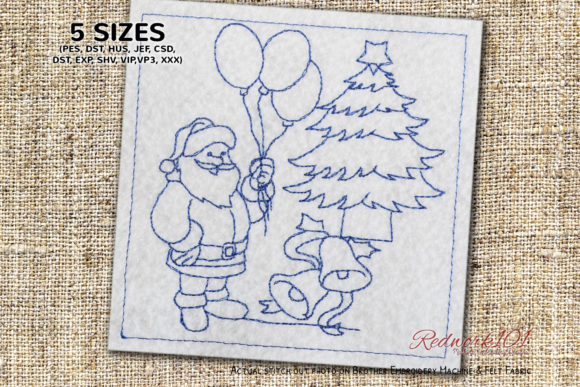
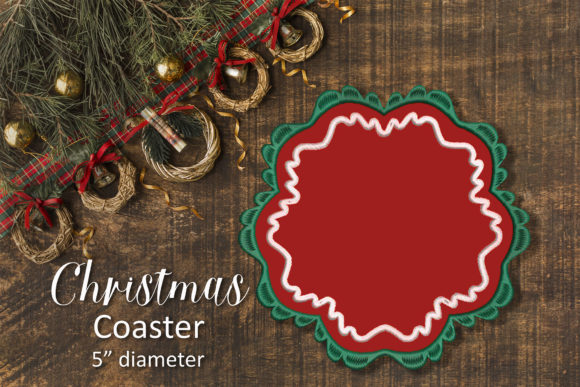
Unzipping the Christmas Coaster embroidery file felt like opening a well-wrapped holiday gift—simple, intentional, and full of quiet charm. This isn’t a busy, over-stitched motif. It’s clean, confident, and emotionally grounded—sweet without being cutesy, seasonal without leaning into cliché. The design reads as handmade at first glance: gentle curves, balanced negative space, and a subtle rhythm that invites touch. It feels classic, not trendy—meaning it won’t date next year’s Etsy listings or your shop’s holiday collection. For customers seeking meaning over mass production—new parents stitching a baby’s first Christmas, couples personalizing wedding kitchen keepsakes, or grandparents gifting a hand-finished towel—it lands with sincerity.
Where Christmas Coaster Shines: Real-World Personalization
This design is built for versatility—not just in placement, but in emotional resonance. As an embroidery designer who’s stitched hundreds of custom orders, I immediately saw its range:
- Baby embroidery: Perfect for a 5″ circle on a muslin swaddle blanket corner or a linen baby bib—soft, legible, and gentle enough for delicate skin.
- Wedding gift: Embroidered onto a linen pillow cover or monogrammed kitchen towel, it adds heirloom warmth to newlywed homes without competing with formal monograms.
- Nursery decor: Paired with neutral tones on cotton duck fabric, it becomes a subtle yet festive wall hanging or shelf accent—no glitter, no noise, just calm joy.
- Personalized towels & totes: Its low stitch count means crisp results even on terry cloth or canvas tote bags—no puckering, no thread breakage during high-speed runs.
- Craft fair & Etsy listings: Because it stitches quickly and reliably, you can offer same-day custom previews—stitch one on a scrap towel, photograph it in natural light, and post it before lunch.
Where to Use Christmas Coaster With Care
Not every surface welcomes this design equally—and that’s okay. Honesty here saves time, thread, and customer trust. Avoid using Christmas Coaster where:
- Small lettering or fine details are expected: It’s intentionally minimal—so don’t force it onto a 2″ apron pocket or expect tiny script to resolve clearly.
- Textured or thick fabrics dominate: Heavy waffle-weave towels or quilted oven mitts may swallow the stitch definition. Test first—and consider doubling stabilizer.
- Stretchy baby clothes or curved surfaces are involved: The 5″ diameter requires stable, flat tension. Skip onesies or mugs; stick to flat, hooped items like blankets, towels, and pillow covers.
- Dark fabric dominates without contrast testing: With only two main thread colors, contrast is everything. Always run a mockup on black linen or navy cotton to verify legibility before committing.
- Frequent washing is guaranteed: Though sturdy, its patch-style construction means it’s best suited for items washed gently—think guest towels, not daily dish rags.
Why Customers Connect—and Keep Coming Back
Christmas Coaster doesn’t shout. It invites. That quiet confidence translates directly to perceived value: customers see craftsmanship, not clutter. When stitched cleanly onto a heavyweight tea towel and photographed beside cinnamon rolls and twine, it tells a story—of care, intention, and handmade warmth. That narrative builds trust faster than any discount code. For Etsy sellers and small shop owners, it’s a low-risk, high-reward digital embroidery file: fast turnaround, minimal thread waste, and strong visual cohesion across product photos. Buyers engage because it feels *made for them*, not mass-produced for the season.
Practical Embroidery Notes You Can’t Skip
Before stitching your first customer order, do these five things:
- Test on scrap fabric—match the exact weight and weave of your final product (e.g., terry cloth for towels, linen for pillow covers).
- Confirm hoop size: The design needs a 5″ x 7″ hoop—or at least 5″ on the shorter side. Don’t stretch it into a 4″ round hoop; tension will warp the circle.
- Check thread color contrast on both light and dark fabric. Two colors only means each one must carry weight—test metallic vs. matte, matte vs. matte, and always compare under natural light.
- Use appropriate stabilizer: Tear-away works for stable cottons; cut-away adds security for knits or textured weaves. Since it’s designed “the same as a patch,” consider topping with water-soluble stabilizer for extra crispness on nap-heavy fabrics.
- Review stitch density and placement stitch: The included placement stitch is your anchor—use it to align center points precisely. And because stitch count is low, watch for skipped stitches on older machines; clean and oil first.
Finally—always verify commercial licensing before selling finished products. This machine embroidery design is meant for small shop use, but confirm terms directly with the designer or marketplace. Your reputation rests on ethical, licensed work.
Final Thought: A Design That Grows With Your Shop
Christmas Coaster is more than a holiday file—it’s a reliable, emotionally intelligent tool in your embroidery toolkit. It supports baby embroidery with tenderness, elevates wedding gifts with quiet elegance, and gives Etsy sellers a polished, shoppable product in under 20 minutes. In a market flooded with loud, complex designs, its restraint is its strength. Stitch it right—with care, contrast, and clarity—and it won’t just decorate a towel or pillow cover. It’ll hold space for memory, meaning, and the kind of handmade quality that turns one-time buyers into lifelong fans.